
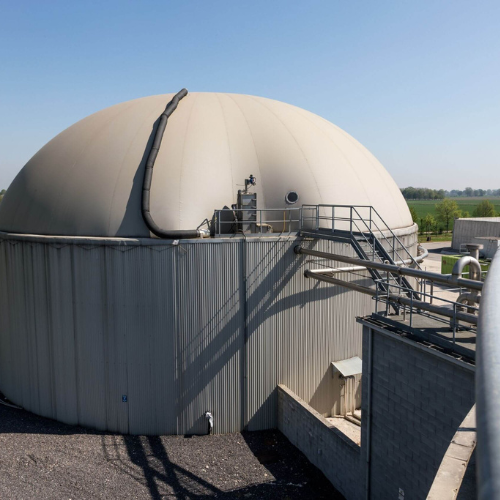
Biogas generation using a JOG CSTR (Continuous Stirred Tank Reactor) technology-based digester is a common method for converting organic waste into renewable energy such as Bio-CNG, Power Generation, Heat, etc. JOG CSTR technology is widely used in anaerobic digestion processes to efficiently produce biogas. CSTR technology offers several advantages, including continuous operation, flexibility in feedstock selection, and efficient biogas production. However, it also requires careful management to maintain optimal conditions and prevent process upsets or imbalances. Proper design, monitoring, and maintenance are essential for maximizing the performance and longevity of CSTR-based biogas digesters.
A CSTR digester consists of a large tank or reactor that is continuously stirred to maintain a homogeneous mixture of organic waste and microorganisms. The tank is equipped with an inlet for organic waste feedstock and an outlet for the digested material (also known as digestate).
The JOG CSTR digester accepts various types of organic waste, such as animal manure, Sugar cane press mud, crop/Agro residues, food waste, sewage sludge, Napier grass, Chicken Manure (Poultry Waste), Segregated bio-degradable Municipal Solid Waste, etc. The Organic waste is loaded into the digester through the inlet, and the digester is kept at a controlled temperature and pH level.
Inside the digester, microorganisms, primarily bacteria, break down the organic waste through anaerobic digestion. The microorganisms work in the absence of oxygen and convert complex organic compounds into simpler substances.
Continuous stirring is crucial in a CSTR digester to ensure the uniform distribution of organic waste and microorganisms. The stirring promotes efficient microbial activity and helps maintain an optimal environment for biogas production.
As the organic waste decomposes, biogas is generated as a by-product. Biogas is a mixture of methane (CH4) and carbon dioxide (CO2), Saturated Moisture with smaller amounts of other gases such as hydrogen sulfide (H2S). The biogas rises to the top of the digester due to its lighter density.
The digester’s top is where the biogas is collected and moved to a gas storage system. After that, the biogas passes through the 4 towers VPSA technology-based JOG biogas upgradation system, where it is purified of contaminants and enriched with more than 96% methane (CH4).
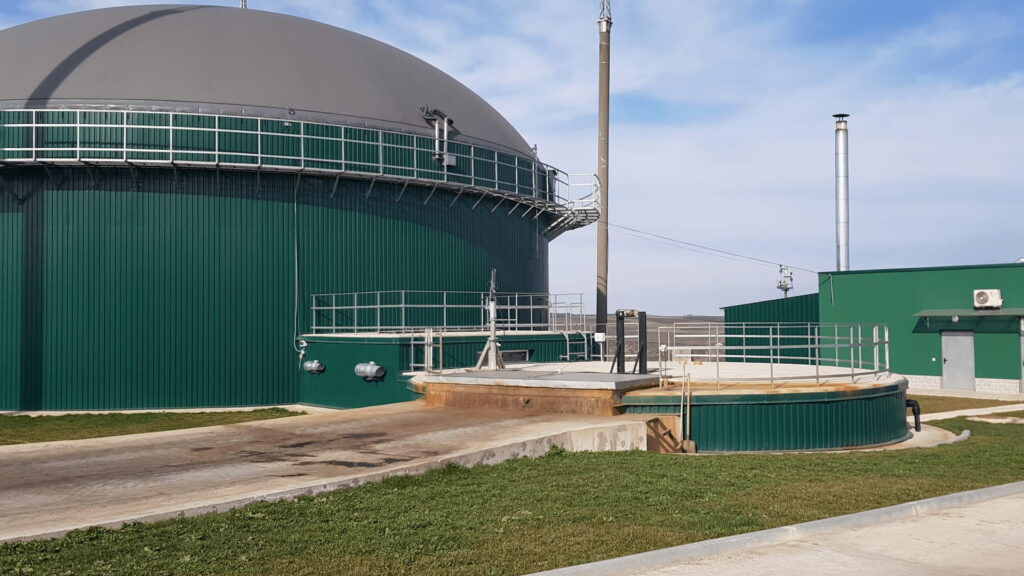
Enriched biogas can be used as a renewable energy source (Bio-CNG/RNG) for transportation fuel, heating, and electricity production.
The remaining material after digestion, known as digestate, is rich in nutrients and can be used as a fermented organic manure (fertilizer). It can be further processed to remove excess water and improve its nutrient content before being used as a soil amendment.
CSTR digesters require careful monitoring and control of various parameters such as temperature, pH, and retention time to optimize biogas production. Monitoring systems and control mechanisms help maintain the ideal conditions for microbial activity.
Anaerobic digestion is performed by two groups of bacteria: acid-forming bacteria (acidogens) and methane-forming bacteria (methanogens). These bacteria work in a symbiotic relationship to break down organic matter in the absence of oxygen, ultimately producing biogas.
Acid-Forming Bacteria (acidogens): Acidogens are responsible for the first stage of anaerobic digestion. They break down complex organic compounds, such as carbohydrates, proteins, and fats, into simpler organic acids, such as acetic acid and butyric acid. Acidogens thrive in an acidic environment and function optimally at a pH range of 5.5 to 6.5.
Methane-Forming Bacteria (methanogens): Methanogens are the second group of bacteria involved in anaerobic digestion. They convert the organic acids produced by acidogens into methane (CH4) gas. Methanogens are strict anaerobes and are extremely sensitive to the presence of oxygen. They require specific environmental conditions, including a pH range of 6.5 to 8 and temperatures typically between 35°C and 38°C (mesophilic range) or 45°C to 60°C (thermophilic range), depending on the type of methanogen.
The cooperation between acidogens and methanogens is crucial for the overall anaerobic digestion process. Acidogens break down complex organic matter, producing volatile fatty acids and hydrogen as by-products. Methanogens utilize these by-products to produce methane gas through a process called methanogenesis.
The biogas produced during anaerobic digestion consists mainly of methane (50-65%), carbon dioxide (32-45%), and small quantities of trace gases, such as hydrogen sulfide traces of nitrogen and oxygen, and saturated moisture.
To ensure efficient anaerobic digestion, it’s important to maintain suitable environmental conditions, such as temperature, pH, and the ratio of feedstock types. Additionally, the balance between acidogens and methanogens should be maintained to avoid process imbalances and optimize biogas production.
The CSTR (Continuous Stirred Tank Reactor) biogas technology has several distinctive features that set it apart from other types of biogas digesters. Here are some of its key characteristics:
One of the main advantages of CSTR technology is its ability to operate continuously. The digester is designed to allow a continuous inflow of organic waste and a continuous outflow of digestate. This ensures a steady and consistent production of biogas without interruptions.
The CSTR digester maintains a well-mixed and homogeneous mixture of organic waste and microorganisms. Continuous stirring or agitation ensures that the waste and microorganisms are evenly distributed throughout the reactor. This promotes efficient microbial activity and maximizes biogas production.
CSTR digesters offer flexibility in accepting a wide range of feedstocks. They can process various organic waste, such as animal manure, Sugar cane press mud, crop/Agro residues, food waste, sewage sludge, Napier grass, Chicken Manure (Poultry Waste), Segregated bio-degradable Municipal Solid Waste, etc. This versatility allows for the utilization of diverse waste streams and makes the technology adaptable to different applications and industries.
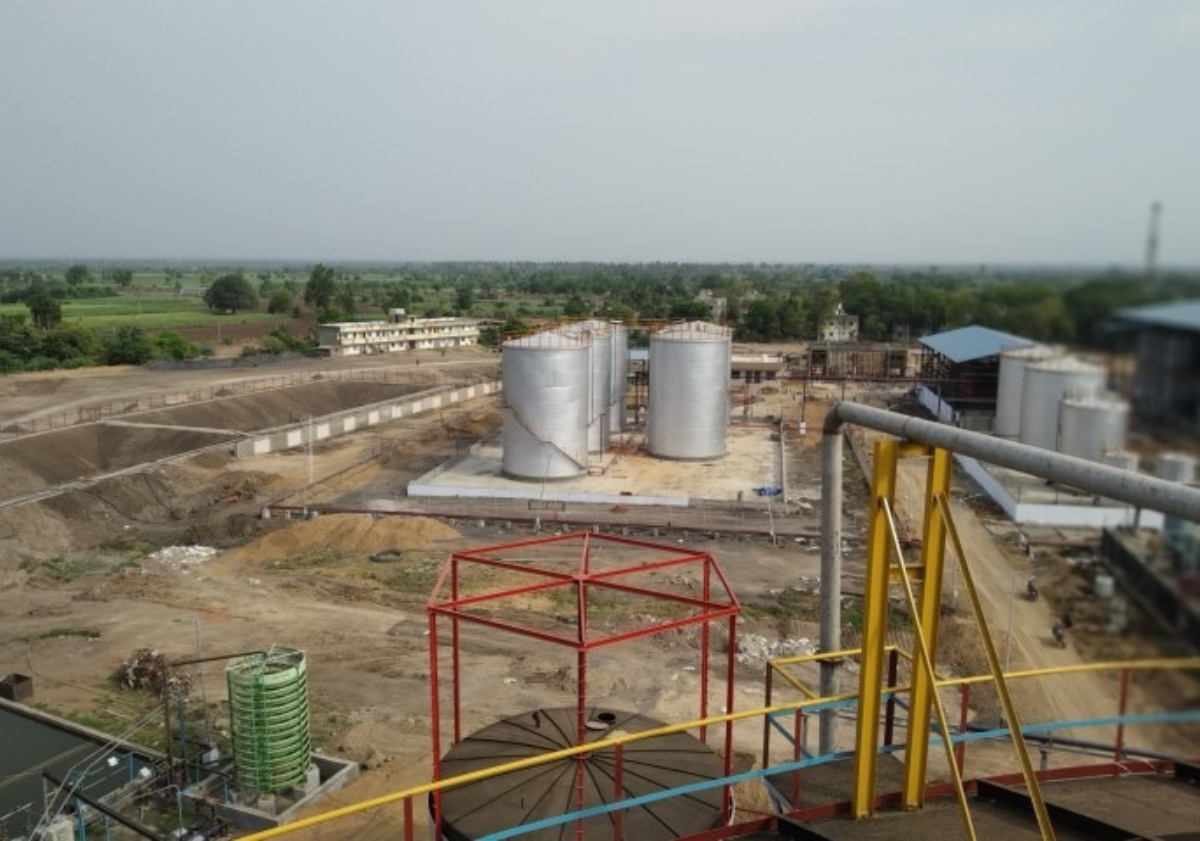
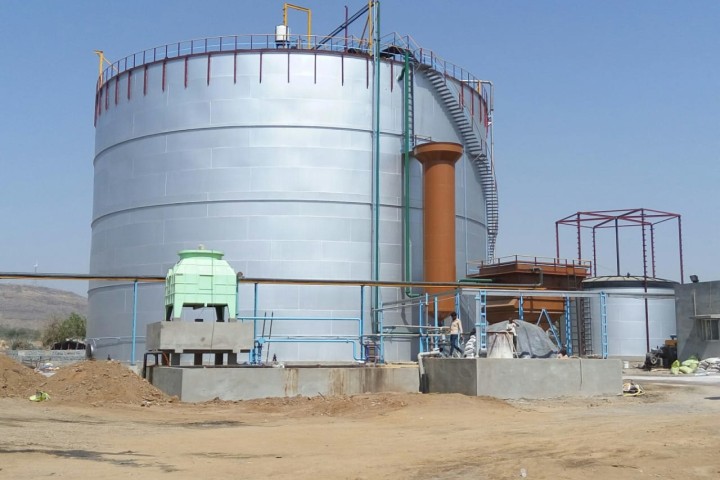
The continuous operation and homogeneous mixing in CSTR digesters contribute to high process stability. The consistent and controlled conditions help maintain a stable microbial ecosystem, reducing the risk of process upsets and ensuring reliable biogas production. It also allows for better control over retention time, temperature, and pH levels.
CSTR digesters are efficient at retaining nutrients from the organic waste in the digestate. The digestate, which is the residual material after anaerobic digestion, contains valuable nutrients like nitrogen, phosphorus, and potassium. It can be used as a nutrient-rich fermented organic manure/ Solid Biofertilizer, contributing to sustainable agricultural practices.
CSTR technology is scalable, meaning it can be adapted to different sizes and capacities based on the specific needs of the application. Whether it’s a small-scale digester for a farm or a large-scale system for a Sugar industry, agricultural farm, energy crops, City waste, industrial waste wastewater treatment plant, CSTR digesters can be designed and implemented accordingly.
CSTR biogas technology has been widely used and studied, leading to a wealth of knowledge and experience in its design, operation, and optimization. This makes it a reliable and well-established option for biogas generation.
JOG CSTR (Continuous Stirred Tank Reactor) technology offers several advantages for biogas generation and anaerobic digestion processes. Here are some of the key advantages of JOG CSTR technology:
Our best-designed CSTR technology can maximize biogas production. The continuous mixing and agitation ensure efficient contact between the organic waste and microorganisms, promoting optimal digestion and Biogas production. This results in high biogas yields and more efficient conversion of organic matter into renewable energy sources for heating, electricity generation, or transportation fuel (Bio-CNG/RNG).
Digesters can process a wide range of feedstock materials. They can efficiently digest various organic waste sources, including agricultural residues, energy crops, food waste, industrial waste, and more. This versatility allows for the utilization of diverse feedstock and enhances the feasibility and sustainability of biogas projects.
JOG CSTR technology is designed for stable and robust operation. The continuous mixing and controlled environmental conditions within the digester help maintain a stable microbial ecosystem, reducing the risk of process upsets and ensuring consistent performance. This stability contributes to reliable biogas production and minimizes the need for frequent adjustments or interventions.
CSTR digesters incorporate advanced process control systems to optimize performance. These systems monitor and regulate key parameters such as temperature, pH, retention time, and substrate loading to create an optimal environment for microbial activity. The precise control of these parameters ensures efficient digestion, improved gas production, and enhanced process stability.
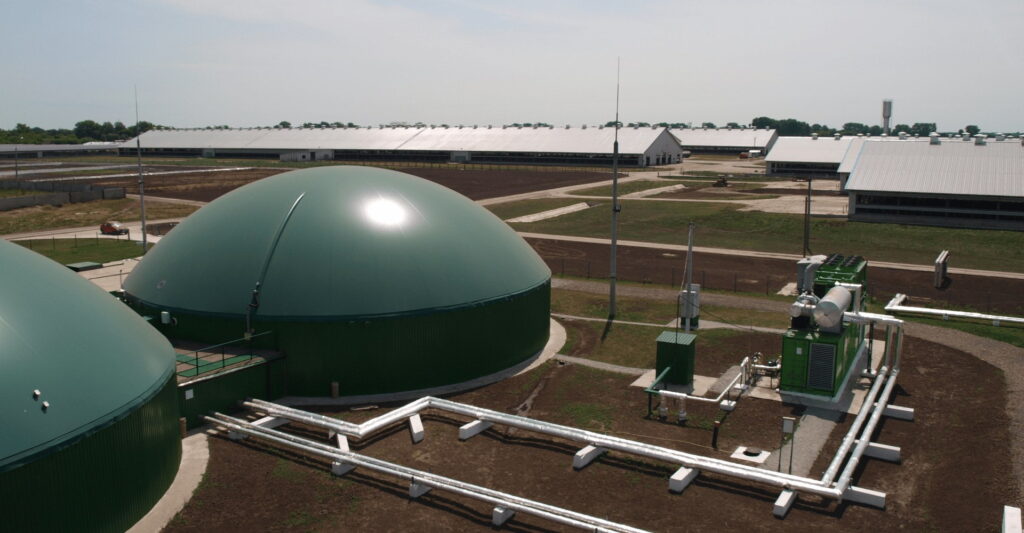
Our expert team designed CSTR technology not only produces biogas but in case of power generation projects to produce electricity the recovery of excess heat generated from biogas generator during electricity generation then this heat can be utilized for various purposes, such as internal heating the digester, providing hot water, or powering an on-site combined heat and power (CHP) system. The energy recovery component enhances the overall efficiency of the biogas plant and maximizes the utilization of available resources. CSTR digesters generate digestate as a by-product, which is a nutrient-rich material. The digestate can be further processed and used as a valuable organic fertilizer for agriculture or horticulture. Proper management of digestate adds value to the biogas plant, providing a sustainable solution for waste management and supporting circular economy principles.