
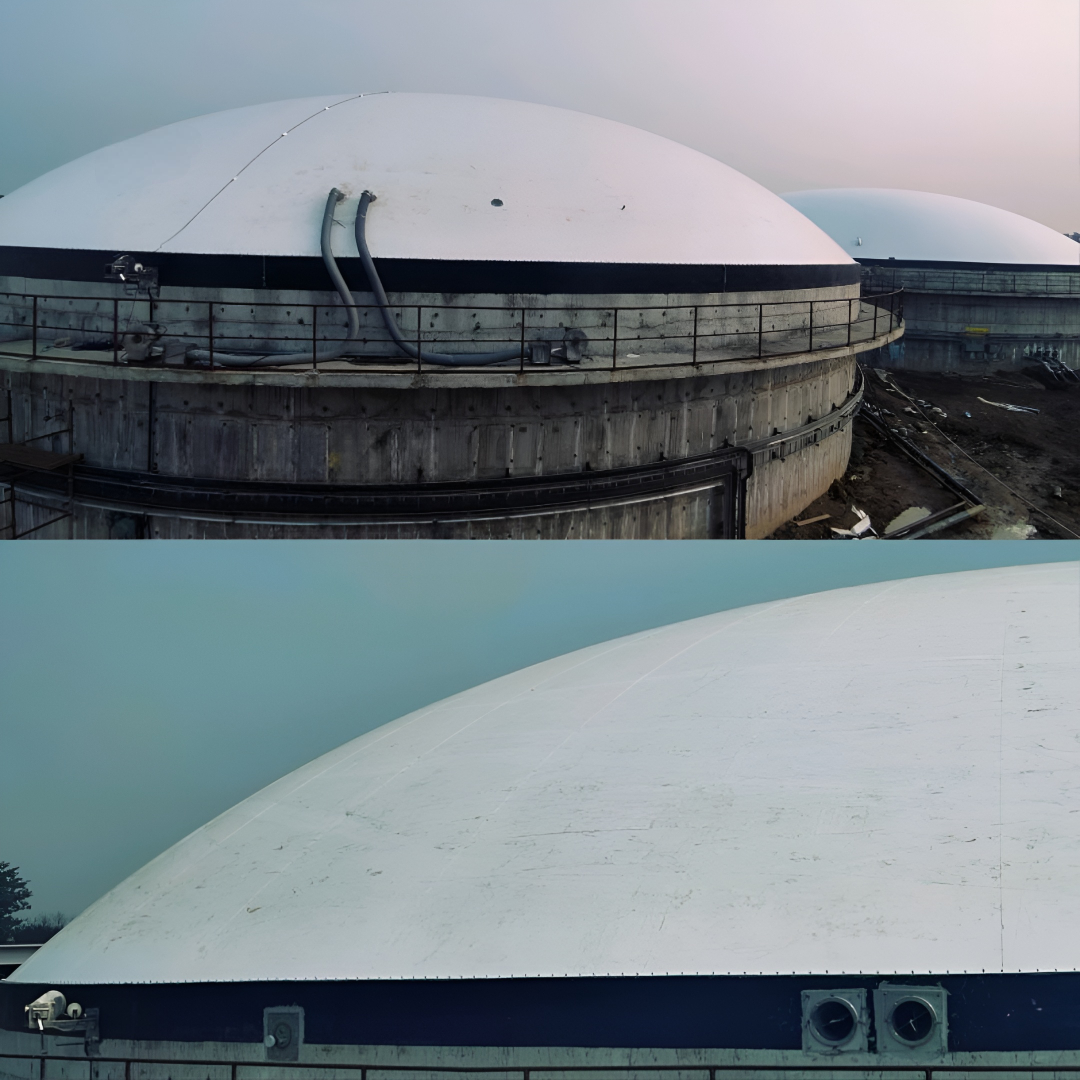
Anaerobic digestion is a biological process where microorganisms break down organic matter in the absence of oxygen. It is commonly used to treat a variety of organic wastes, such as animal manure, Sugar cane press mud, crop/Agro residues, food waste, sewage sludge, Napier grass, Chicken Manure (Poultry Waste), Segregated bio-degradable Municipal Solid Waste, etc. The process takes place in a sealed vessel called a reactor or digester.
The JOG digester is designed and constructed in different shapes and sizes depending on the specific site conditions and the type of feedstock being processed. The choice of digester design depends on factors such as the waste composition, desired retention time, temperature requirements, and gas collection methods.
During anaerobic digestion, complex microbial communities, mainly bacteria and archaea, decompose the organic matter in the waste. These microorganisms work together in a series of metabolic reactions to convert the organic material into biogas and digestate.
Biogas is the main product of anaerobic digestion and primarily consists of methane (CH4) and carbon dioxide (CO2). It can be used as a renewable energy source for heat, electricity, or vehicle fuel. Biogas production is influenced by various factors, including the type and composition of the feedstock, operating temperature, pH, and retention time in the reactor.
The digestate is the residual material left after anaerobic digestion. It is separated into a solid fraction and a liquid fraction. The solid fraction, often called digestate or fermented organic manure or biofertilizer, can be used as an organic fertilizer due to its nutrient content. The liquid fraction, called digestate effluent or fermented organic liquid manure can be further treated or used as a nutrient-rich liquid fertilizer.
Anaerobic digestion offers several benefits, including waste treatment and management, renewable energy generation, reduced greenhouse gas emissions, and production of valuable byproducts. It is an important technology in sustainable waste management and renewable energy production source (Bio-CNG/RNG) for transportation fuel, heating, and electricity production.
Biogas is a mixture of gases, primarily consisting of methane (CH4) and carbon dioxide (CO2), along with trace amounts of other gases such as nitrogen (N2), hydrogen sulfide (H2S), and water vapor (H2O). The composition of biogas can vary depending on the type of feedstock and the conditions within the digester.
Biogas is a valuable source of renewable energy. Methane, the primary component of biogas, is a potent greenhouse gas, and its capture and utilization through anaerobic digestion help mitigate its impact on climate change. Biogas can be used for various energy purposes, including:
Digestate refers to the solid and liquid materials that remain after the anaerobic digestion process. It is separated into two fractions:
Solid fraction: The solid fraction of digestate, also known as fermented organic solid manure or digestate or biofertilizer, contains organic matter and nutrients. It can be used as an organic fertilizer in agriculture or horticulture. The nutrient-rich nature of digestate provides beneficial effects on soil fertility and can help improve crop yields.
Liquid fraction: The liquid fraction, known as fermented organic liquid organic manure digestate effluent, contains water, dissolved organic compounds, and nutrients. It can be further treated or used as a liquid fertilizer, providing nutrients to crops and supporting soil health.
Both biogas and digestate contribute to the circular economy and sustainable waste management practices by converting organic waste into valuable resources.
Biogas, when used for cogeneration, can provide multiple forms of energy simultaneously, including electricity, steam, and heat. Biogas can be used to power generators or engines that produce electricity. This electricity can be used on-site to meet the energy needs of the biogas plant itself or be fed into the grid for wider distribution. Cogeneration systems can efficiently convert the biogas into both electricity and heat simultaneously, maximizing the energy output from the available biogas.
In addition to electricity, cogeneration systems also generate heat as a byproduct of the power generation process. This waste heat can be harnessed and utilized for various purposes, such as heating buildings, water, or industrial processes. By utilizing the waste heat, biogas producers can achieve high overall energy efficiency and reduce the need for separate heating systems.
Energy-intensive industries with high heat requirements can benefit from cogeneration using biogas. The waste heat generated during the combustion process in the cogeneration system can be utilized as process heat within the industrial facility itself. By using the waste heat, companies can reduce their dependence on conventional heating systems and save on heating expenses.
Renewable Energy Generation: Biogas is a renewable source of energy that can be produced continuously from organic waste materials. It offers an alternative to fossil fuels, reducing dependence on non-renewable energy sources and contributing to a more sustainable energy mix.
Waste Management: Biogas production through anaerobic digestion provides an effective waste management solution. It allows for the treatment and utilization of organic waste materials that would otherwise end up in landfills, where they contribute to greenhouse gas emissions and pose environmental risks. By converting organic waste into biogas, the volume of waste is reduced, mitigating disposal challenges.
Greenhouse Gas Reduction: Anaerobic digestion helps in mitigating greenhouse gas emissions. When organic waste decomposes in landfills, it releases methane, a potent greenhouse gas. By capturing and utilizing the methane produced during anaerobic digestion, biogas production prevents its release into the atmosphere, thereby reducing greenhouse gas emissions
Additional Revenue Stream: Biogas production can provide an additional revenue stream for farmers, industries, and waste management facilities. By converting waste materials into biogas, these entities can generate electricity, heat, or biomethane for sale. This can diversify their income sources and potentially improve their financial viability.
Nutrient Recycling: The digestate, the residual material after anaerobic digestion, is a nutrient-rich organic fertilizer. Biogas producers can use this digestate as a natural and nutrient-balanced fertilizer for agricultural purposes, reducing the need for synthetic fertilizers. It helps close the nutrient cycle, promoting sustainable agriculture and soil health.
Energy Independence: Biogas production offers the advantage of energy independence. Producers can generate their energy on-site, reducing reliance on external energy suppliers and potentially lowering energy costs in the long run.
Job Creation and Rural Development: Biogas production facilities can create job opportunities, particularly in rural areas where agricultural waste is readily available. The construction, operation, and maintenance of biogas plants require a skilled workforce, contributing to local employment and economic development.
Integration with Existing Infrastructure: Biogas can be easily integrated into existing energy infrastructure, such as natural gas pipelines or electricity grids, depending on the form of biogas produced (e.g., biomethane or electricity). This makes it more convenient to distribute and utilize the energy produced, reducing the need for significant infrastructure investments.
Ultra-modern filtration technology has revolutionized the processing of digestate residues, allowing for further purification and conversion into processed service water. This water can then be utilized in subsequent industrial processes. The filtration and cleaning of digestate involve several steps to remove impurities and enhance its quality.
By implementing filtration and cleaning techniques, digestate residues can be transformed into processed service water suitable for use in subsequent industrial processes. This not only helps in water conservation but also maximizes the resource efficiency of the overall digestion process.
JOG plants offer significant benefits in terms of improving the CO2 balance and reducing reliance on fossil fuels. This improvement in CO2 figures is advantageous for production plants and provides a competitive edge, considering the increasing emphasis on sustainable production by consumers and companies.
Our advanced-designed plants lead to a reduction in fossil fuel consumption, resulting in improved CO2 figures for production plants. This offers a significant competitive advantage as sustainability becomes a more prominent factor in purchasing decisions. By reducing greenhouse gas emissions, promoting renewable energy generation, and aligning with consumer preferences, JOG plants contribute to a more sustainable and environmentally friendly approach to production.
Bio-CNG has the potential to reduce net carbon emissions and replace CNG and LPG in domestic, commercial, and industrial applications. This in turn will save foreign exchange due to less dependence on the import of petroleum products. Bio-CNG can be produced from various feedstock including agriculture residue, MSW, sugarcane press mud, distillery spent wash, cattle dung, and STP waste. It is estimated that approximately 62 million tonnes (MT) of Bio-CNG can be created in India from various sources that can include a bio-manure generation capacity of -206MT8. To realize this potential and meet national targets, global commitments, energy security, and environment sustainability, GOI launched the SATAT scheme.
India has committed to reducing its carbon emissions and intensity, before achieving Net Zero emissions by 2070. As India progresses towards a clean energy ecosystem, Bio-CNG (or Biogas-Compressed CBG) is expected to play an instrumental role in promoting energy security & environmental sustainability. Bio-CNG has a calorific value and other properties similar to Compressed Natural Gas (CNG) and can be utilized as a green renewable automotive fuel. Thus, Bio-CNG can replace CNG in automotive, industrial, and commercial areas.
Replacing CNG with Bio-CNG will also aid in reducing the import dependence on LNG improving energy security for India. Due to their high efficiency and low costs, compressed biogas (CBG) or bio (CNG) plants are predicted to have a rapidly expanding market in the upcoming years. CBGs had a USD 2.6 billion global market in 2016: by 2025, that market is expected to rise to USD 4.1 billion. The entire global revenue for CNGs was USD 5.7 billion in 2016, and it is anticipated to increase to over USD 9 billion by 2025. The fact they operate more efficiently than conventional gas-fired power generation systems, which results in lower fuel costs and a reduction in greenhouse gas emissions, is one of the main causes causing this rapid expansion.
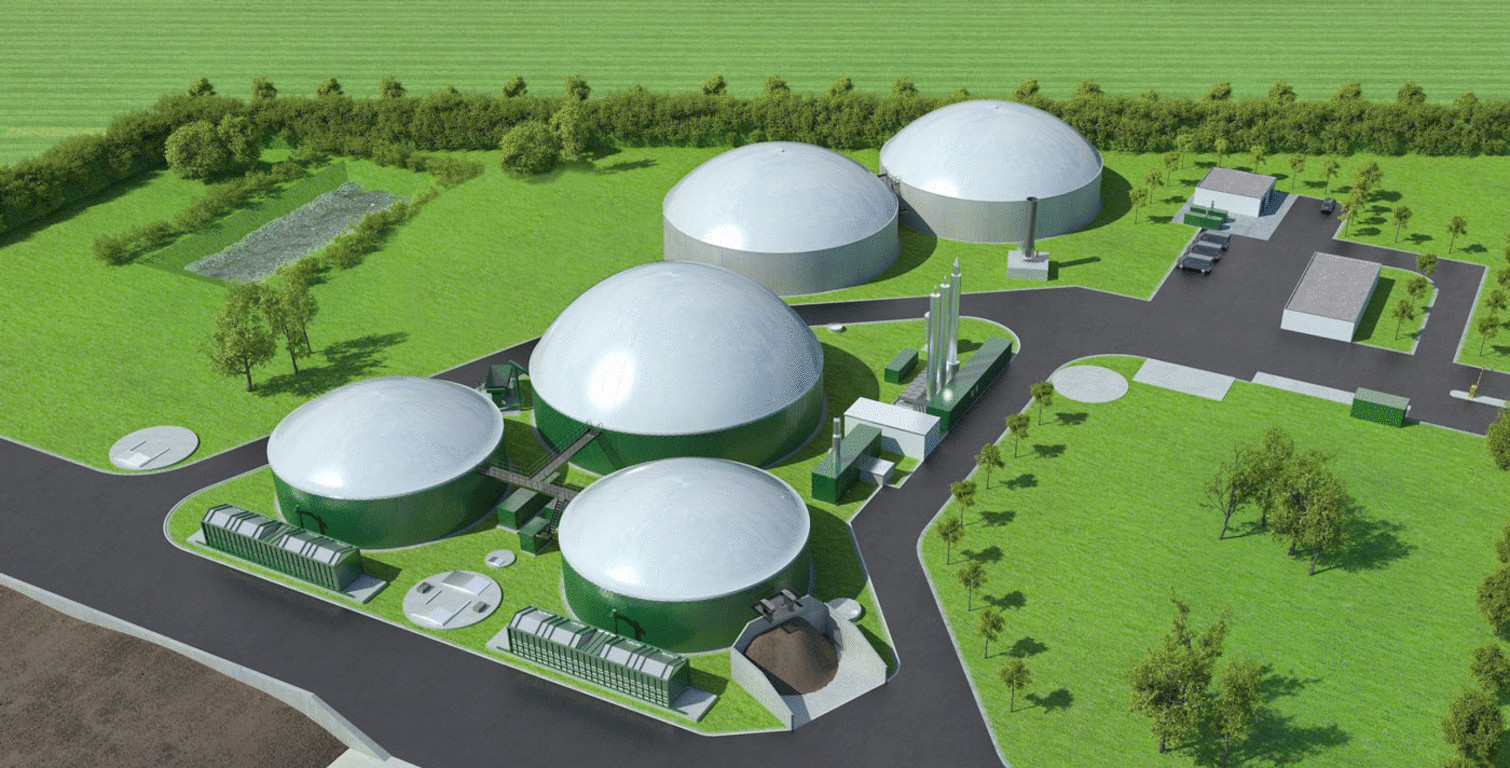
Biogas, when used for cogeneration, can provide multiple forms of energy simultaneously, including electricity, steam, and heat. Biogas can be used to power generators or engines that produce electricity. This electricity can be used on-site to meet the energy needs of the biogas plant itself or be fed into the grid for wider distribution. Cogeneration systems can efficiently convert the biogas into both electricity and heat simultaneously, maximizing the energy output from the available biogas.
In addition to electricity, cogeneration systems also generate heat as a byproduct of the power generation process. This waste heat can be harnessed and utilized for various purposes, such as heating buildings, water, or industrial processes. By utilizing the waste heat, biogas producers can achieve high overall energy efficiency and reduce the need for separate heating systems.
Energy-intensive industries with high heat requirements can benefit from cogeneration using biogas. The waste heat generated during the combustion process in the cogeneration system can be utilized as process heat within the industrial facility itself. By using the waste heat, companies can reduce their dependence on conventional heating systems and save on heating expenses.
The proper operation of a biogas plant can result in odor-free fermentation residues that serve as valuable, nutrient-rich fertilizers for agriculture, offering economic and environmental benefits to farmers. It can minimize or eliminate odor nuisances by containing the produced gas within a closed system. This prevents the gas from escaping into the environment.
During the fermentation process in a biogas plant, microorganisms break down organic materials such as animal manure, sugar cane press mud, crop/agro residues, food waste, sewage sludge, Napier grass, chicken manure (poultry waste), segregated biodegradable Municipal Solid Waste other organic matter in the absence of oxygen, producing biogas as a byproduct. The remaining material after fermentation, known as fermentation residues or digestate, is rich in nutrients and can serve as a high-quality fermented organic manure or fertilizer for agricultural purposes.
The fermentation residues undergo a process called anaerobic digestion, which helps to reduce the odor significantly compared to the original organic materials. This process breaks down complex organic compounds, including those responsible for unpleasant smells, resulting in a noticeably reduced odor in the end product.
These fermentation residues contain valuable nutrients such as nitrogen, phosphorus, and potassium, which are essential for plant growth. By using these residues as fermented organic manure or fertilizers, farmers can effectively replenish the soil with nutrients, eliminating the need to purchase expensive and potentially pollutant mineral fertilizers. This not only provides a cost-effective solution for farmers but also helps reduce the environmental impact associated with the production and use of synthetic fertilizers.
Anaerobic digestion is a biological process that breaks down organic materials, such as animal manure, Sugar cane press mud, crop/Agro residues, food waste, sewage sludge, Napier grass, Chicken Manure (Poultry Waste), Segregated bio-degradable Municipal Solid Waste, etc. in the absence of oxygen. The process occurs naturally in environments like wetlands, swamps, and the digestive systems of certain animals. It can also be replicated in controlled environments, such as anaerobic digesters or biogas plants.
Anaerobic digestion provides several benefits, including waste management by reducing the volume of organic waste, producing renewable energy in the form of biogas, and reducing greenhouse gas emissions by capturing and utilizing methane. It also helps in the recycling of nutrients and can contribute to the circular economy by closing the loop on organic waste.
Here’s how anaerobic digestion works:
Feedstock Collection: Organic waste materials are collected from various sources, including farms, industries, and municipalities. This waste can include animal manure, Sugar cane press mud, crop/agro residues, food waste, sewage sludge, Napier grass, Chicken Manure (Poultry Waste), segregated biodegradable Municipal Solid Waste other organic matter.
Feedstock Preparation: The collected organic waste is typically shredded to reduce particle size or ground to increase its surface area, making it easier for bacteria to break it down.
Feedstock Pre-Treatment: The crop residue waste has a lignocellulosic biomass structure that cannot be directly digested by bacteria inside the digester therefore the inclusion of a pre-treatment step in anaerobic digestion processes increases the digestibility of lignocellulosic biomass and enhances biogas yields by promoting lignin removal and the destruction of complex biomass structures.
The efficient interaction of microbes or enzymes is made possible by the increase in surface area, and the anaerobic digestion process is enhanced by the decrease in cellulose crystallinity. The pre-treatment methods may vary based on the type of lignocellulosic biomass, the nature of the subsequent process, and the overall economics of the process. The different pre-treatment techniques used for lignocellulosic biomasses are generally grouped into physical, chemical, physicochemical, and biological methods. These four modes of pre-treatment on lignocellulosic biomass and their impact on the biogas production process.
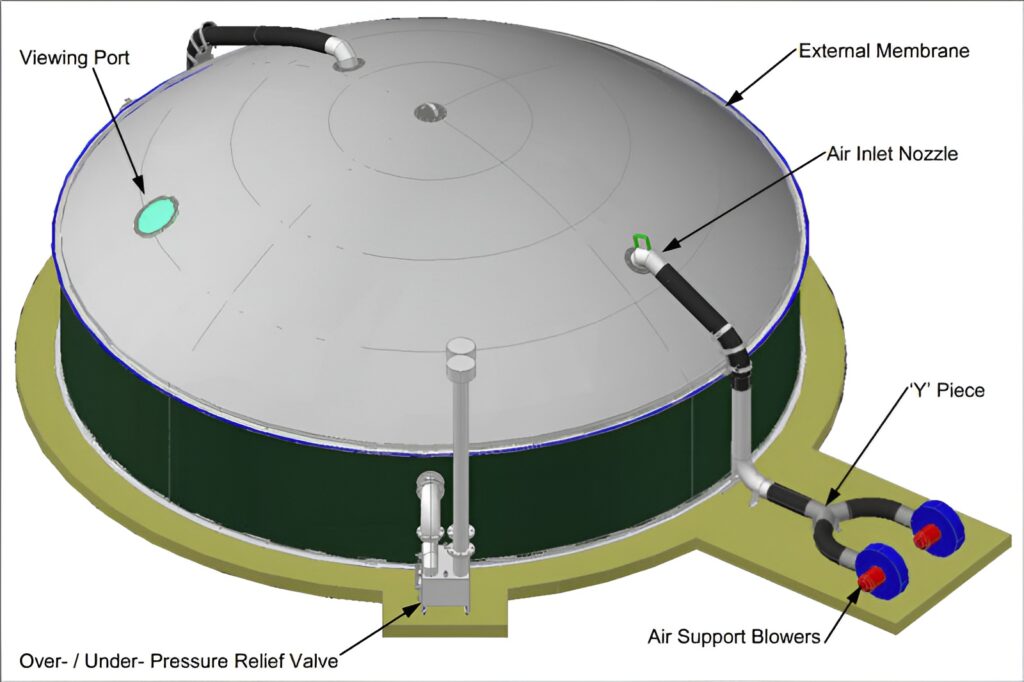
Anaerobic Digester: The prepared organic waste is then loaded into an airtight container called an anaerobic digester. The digester provides the ideal conditions for the growth of anaerobic microorganisms, mainly bacteria and archaea.
Anaerobic Digestion Process: Within the digester, microorganisms break down the organic matter through a series of biochemical reactions. The process occurs in several stages:
Biogas Production: The methane and carbon dioxide gases produced during methanogenesis are collected and make up the biogas. Biogas is primarily composed of methane (50-65%) and carbon dioxide (35-42%), along with small amounts of other gases like nitrogen, hydrogen sulfide, saturated moisture, and traces of impurities.